Enzymefield supplies enzyme-supported composting programs built to help facilities reduce turnaround pressure, improve pad capacity, manage odor, and protect finished compost quality.
Request pricingWhen active compost holds the pad too long, the entire facility feels it: incoming loads stack up, screening waits, curing space tightens, and revenue per ton gets trapped in unfinished material.
Enzymefield is a compost enzyme supplier for organic waste processing focused on practical facility outcomes. Our enzyme-supported programs are built to help composting operations move feedstock through active processing with better control, steadier heat behavior, and fewer surprises from variable incoming material.
This is not about adding chemistry for its own sake. It is about giving your team another operational lever when turnaround time is limiting capacity.
Bulk enzyme supply for composting facilities, organic fertilizer producers and resellers, quoted per order. Send the feedstock, the quantity and the delivery destination for a quote. Request a quote
A compost pile that needs extra days is not just slow. It occupies pad space, ties up equipment schedules, delays screening, and pushes curing areas closer to overload.
For facility managers, turnaround pressure usually shows up as:
Enzymefield enzyme support is designed to help facilities attack those constraints at the process level.
Composting is driven by biology, moisture, oxygen, structure, and time. Enzymes do not replace good operations. They support them.
Enzymefield programs are typically positioned where faster organic breakdown and more consistent early-stage activity can help the site maintain schedule:
Variable feedstock is one of the main reasons compost timelines drift. Food scraps, green waste, manures, paper fiber, and industrial organics do not break down at the same pace.
An enzyme-supported approach can help improve the breakdown of complex organic fractions so the blend becomes more workable earlier in the active phase.
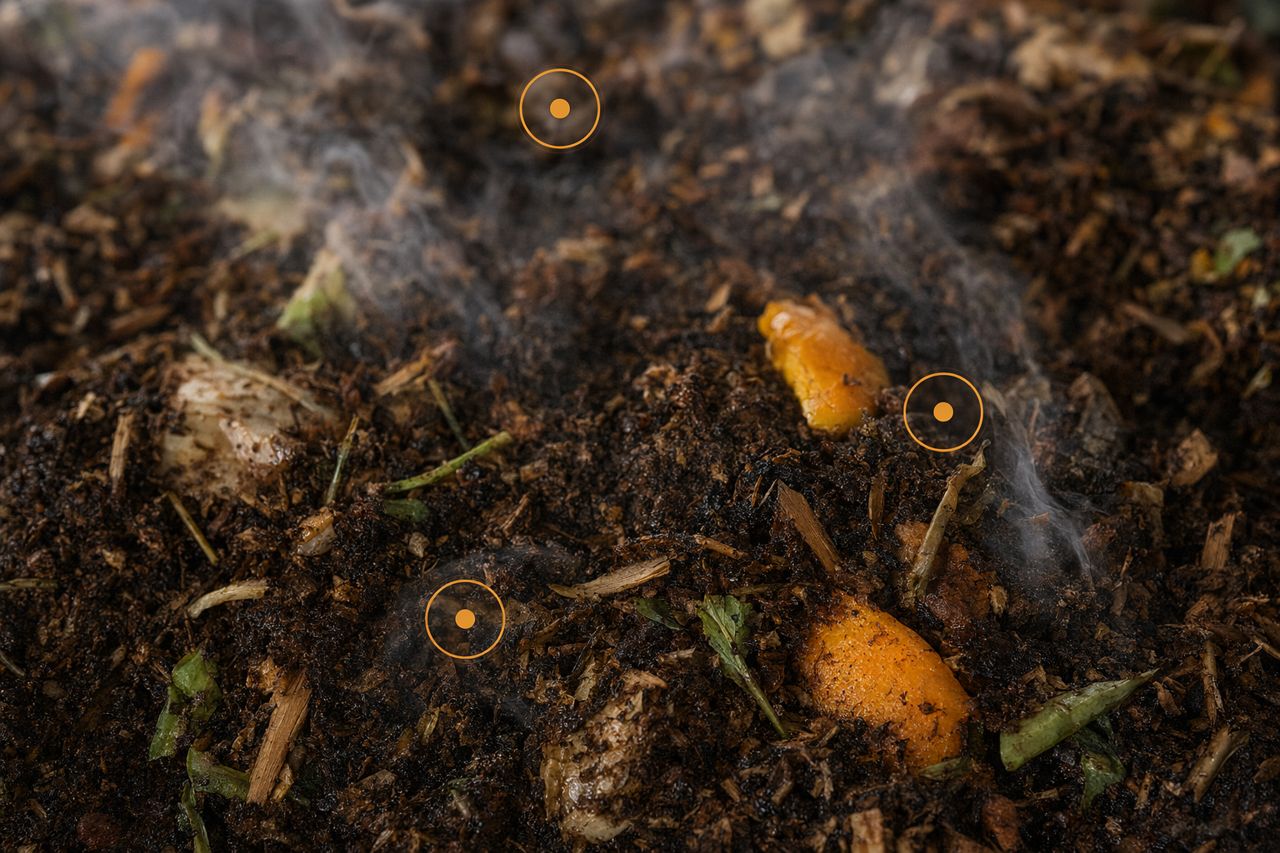
The active phase is where turnaround is won or lost. If heat is inconsistent, oxygen is uneven, or material remains locked up in coarse organic particles, operators spend more time correcting the pile instead of advancing it.
Enzymefield supports workflows aimed at:
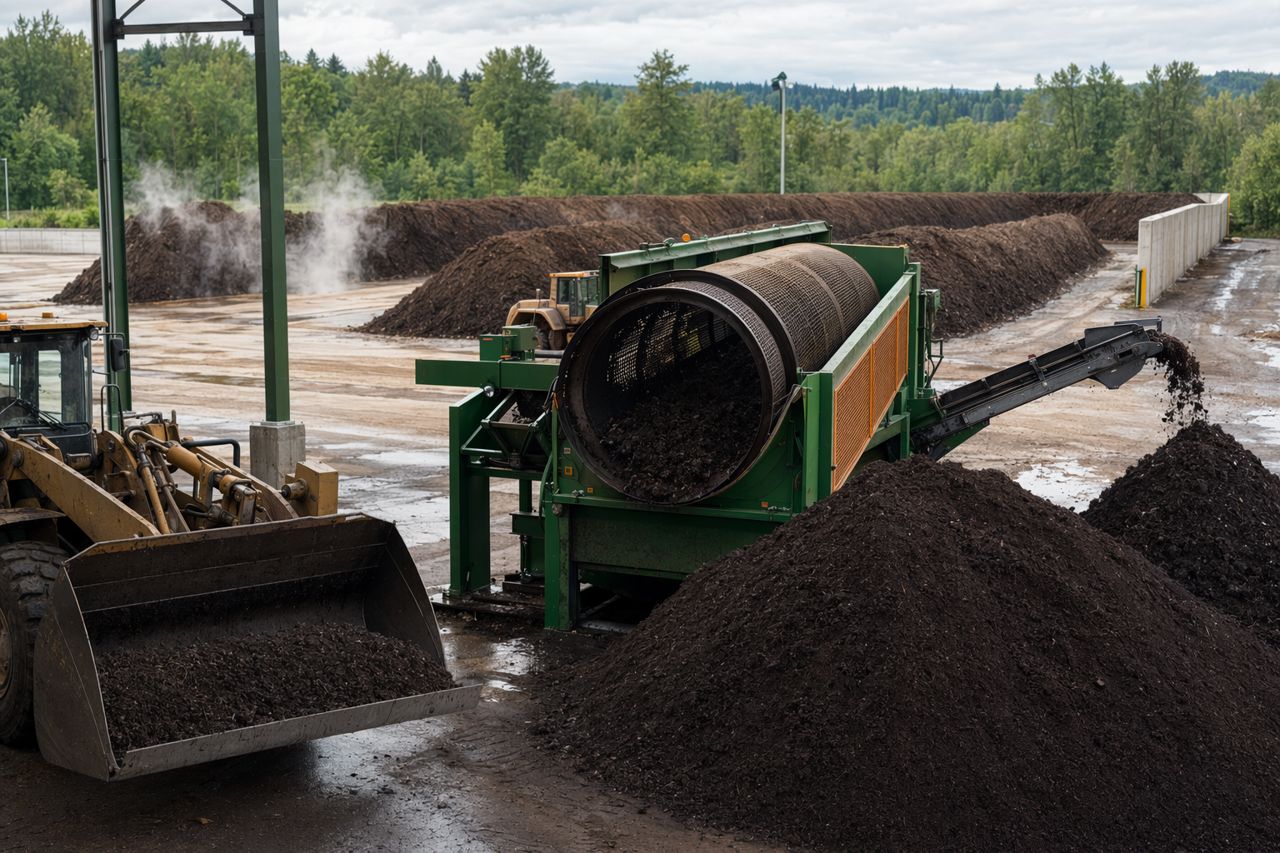
Screening backlog creates a hard bottleneck. Material that looks close but still carries unstable pockets can slow production, increase rejects, or force rehandling.
Enzyme-supported processing can help facilities target a more predictable readiness window, making it easier to plan screen time, loader movement, curing capacity, and outbound inventory.
Reducing turnaround time is valuable because it changes how the site uses space.
When active processing becomes more predictable, facilities can improve:
Enzymefield helps teams evaluate enzyme support against operational metrics that matter: days on pad, rehandle frequency, screen timing, odor complaints, moisture correction effort, and finished compost consistency.
Most composting facilities do not receive perfect recipes every day. Seasonal green waste, wetter food residuals, high-fiber loads, and dense organics can all alter the processing curve.
Enzymefield programs are developed for real-world feedstock variability. We help your team think through:
The goal is not to complicate the pad. The goal is to strengthen process control with a manageable, repeatable step.
Odor issues often appear when incoming organics overwhelm the pile structure, moisture balance, or oxygen profile. While enzymes are not a substitute for aeration and proper recipe management, they can support faster early breakdown of odor-prone organic material when used as part of a controlled workflow.
For facilities facing community pressure, permitting scrutiny, or tight site boundaries, early-stage control matters. Enzymefield helps operators evaluate enzyme support as one part of a broader odor-management plan.
Thermal consistency gives managers confidence. When heat behavior is uneven, crews must turn, water, inspect, and wait. That uncertainty affects every downstream decision.
Enzymefield enzyme-supported planning is aimed at helping active piles move through biological stages more evenly, so your team can make stronger calls on:
The value is operational clarity. Fewer unknowns. Fewer late surprises.
We recommend a controlled trial before full rollout. A practical trial gives your team real data under your conditions, not generic claims.
A typical Enzymefield trial can include:
No unnecessary complexity. No lab-first language. Just a field program built around the way your facility actually runs.
Enzymefield is a fit for composting operations that need more control over active processing time, especially facilities handling:
If your pad is full, your screen is waiting, or your curing area is absorbing upstream delays, enzyme support may be worth testing.
Tell us what material you process, the quantity you need, where it ships to, where the bottleneck is, and what turnaround target you are trying to protect. Enzymefield will review your operation and quote an enzyme-supported supply plan, from a trial quantity for a controlled site trial to ongoing bulk supply.
Request a quote through the on-site form and put your active processing timeline back under control.

Tell us your application and volume — we reply with pricing and lead time.
We have received your message. We will reply by email.