Enzymefield supplies green waste composting enzyme programs for yard trimmings, wet grass, leaves, brush, and woody chips to help composting facilities improve throughput, odor control, heat consistency, and finished compost quality.
Request pricingSeasonal green waste does not arrive as a clean, balanced recipe. One week it is wet grass and hedge clippings. The next it is dry leaves, woody brush, chips, weeds, and municipal collection variability. Enzymefield supplies green waste composting enzyme programs built for that reality.
As a compost enzyme supplier for organic waste processing, Enzymefield helps composting facilities tune enzyme category selection around feedstock behavior, windrow performance, odor pressure, and finished compost targets.
Our focus is practical: faster breakdown where it matters, steadier heat, better pile response, and more control when incoming yard waste changes by season, route, and weather.
Green waste is not one material. It is a shifting blend of carbon structure, moisture, particle size, and decay resistance.
Common facility challenges include:
Enzymefield enzyme programs are selected to support the breakdown profile of the actual incoming stream, not an idealized feedstock blend.
Different yard-waste fractions need different biological support. Enzymefield helps match enzyme categories to the dominant material load and operating goal.
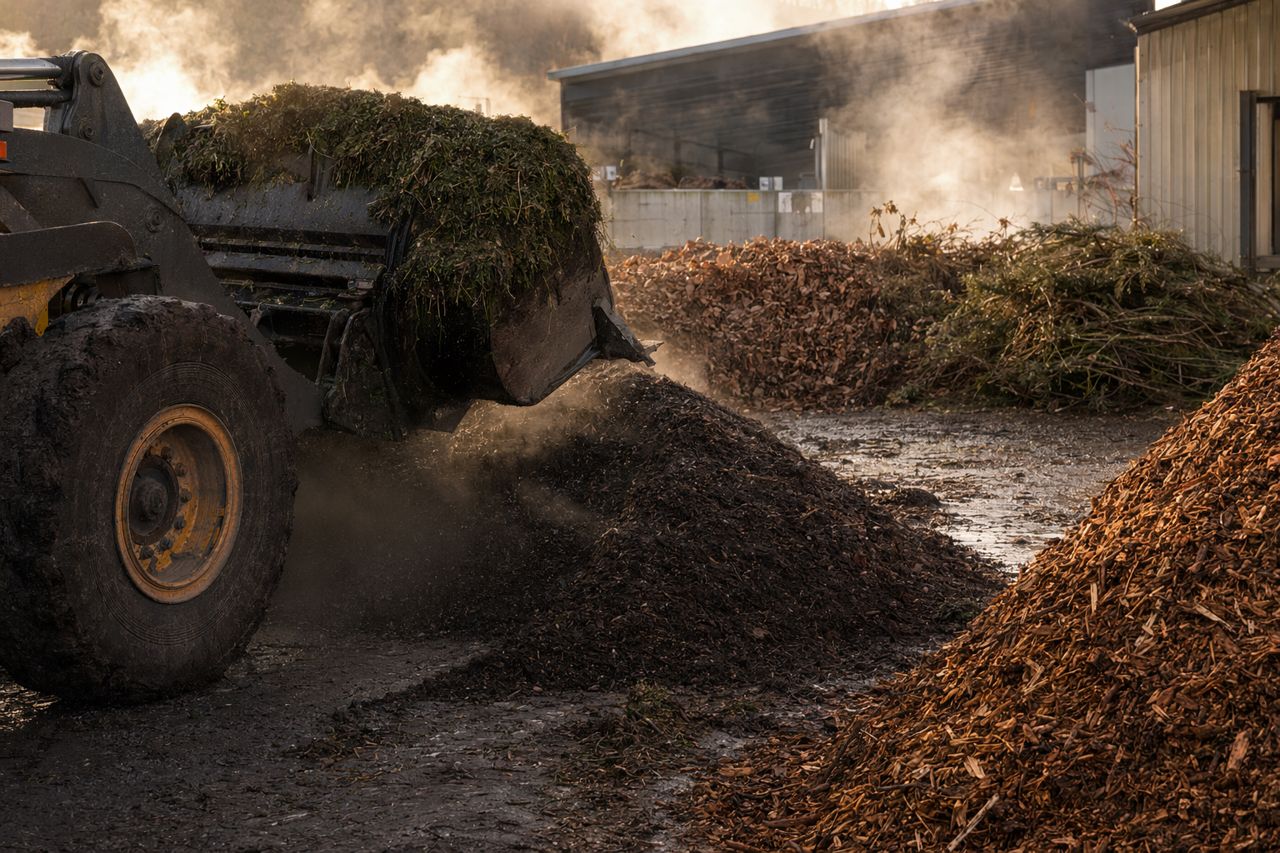
Wet grass can create dense, oxygen-limited zones that heat unevenly and produce odor complaints fast. Enzyme support can help open up early decomposition pathways and reduce the lag between receiving, mixing, and active pile response.
Operational goals:
Dry leaves can resist moisture penetration and slow biological access. Facilities often see large autumn surges where material volume rises faster than active degradation.
Operational goals:
Wood-heavy fractions provide airflow and pile structure, but they also persist through the process. Enzymefield enzyme selection can support breakdown of woody fibers while preserving the operational value of coarse bulking material.
Operational goals:
Municipal green waste is the toughest category because it changes constantly. Enzymefield supports enzyme program design for facilities that need stable process control across unpredictable inbound loads.
Operational goals:
A green waste composting enzyme is not a replacement for proper operations. It works best when paired with the basics your facility already manages:
Enzymefield programs are designed to fit into existing workflows, not complicate them. The goal is to help your team make the pile more responsive and the process more predictable.
Enzymefield focuses on site outcomes that affect daily throughput and finished product value.
When green waste breaks down more consistently, facilities can reduce bottlenecks caused by slow batches, leaf-heavy piles, and wood-rich material that lingers past expected processing windows.
Wet grass, matting, and oxygen-limited zones can create odor events quickly. Enzyme support can help accelerate early decomposition pathways when paired with good mixing, moisture management, and aeration.
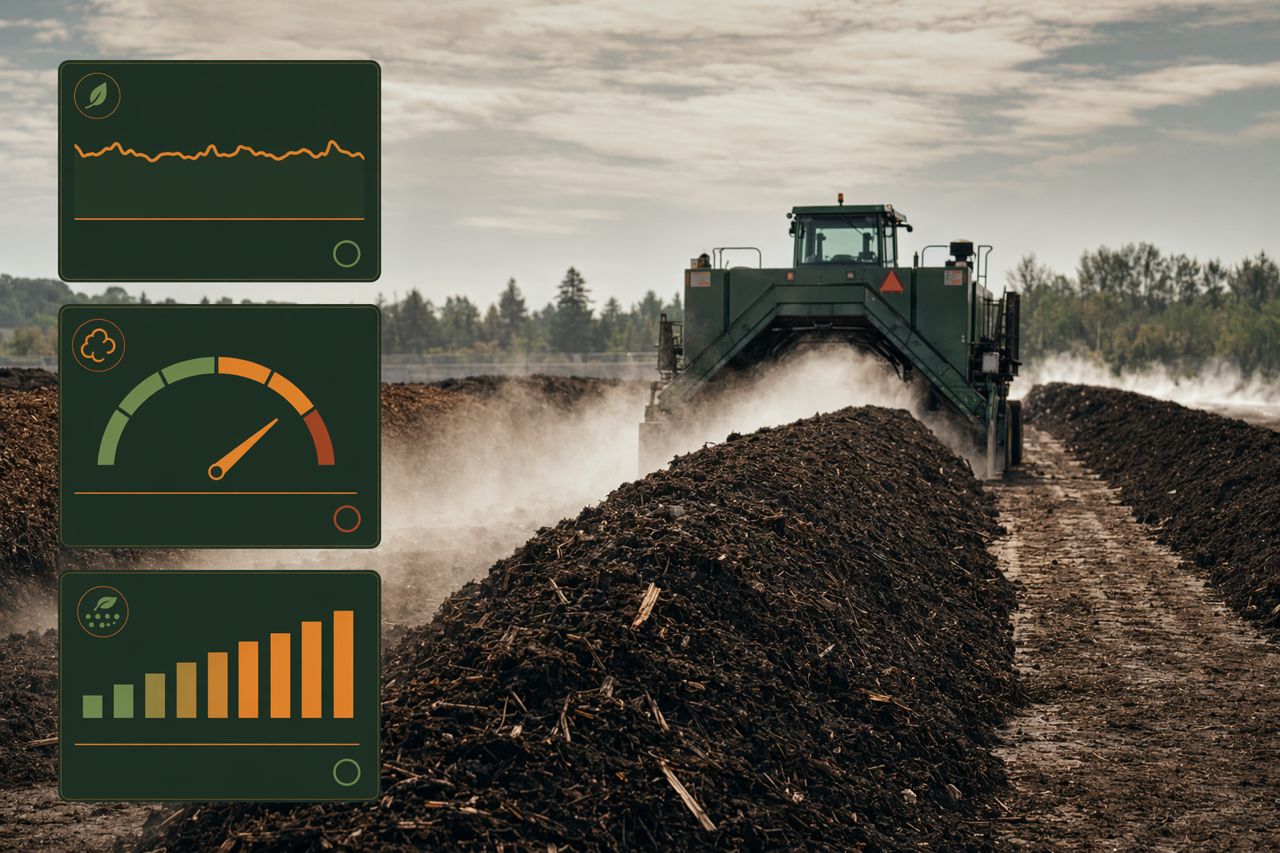
Uneven heat means uneven breakdown. Enzymefield enzyme programs are selected to support broader microbial access across variable green waste mixes, helping operators maintain more predictable active composting zones.
Yard waste changes with weather and season. Enzyme category selection gives facilities another control lever when incoming material shifts from wet and green to dry and woody.
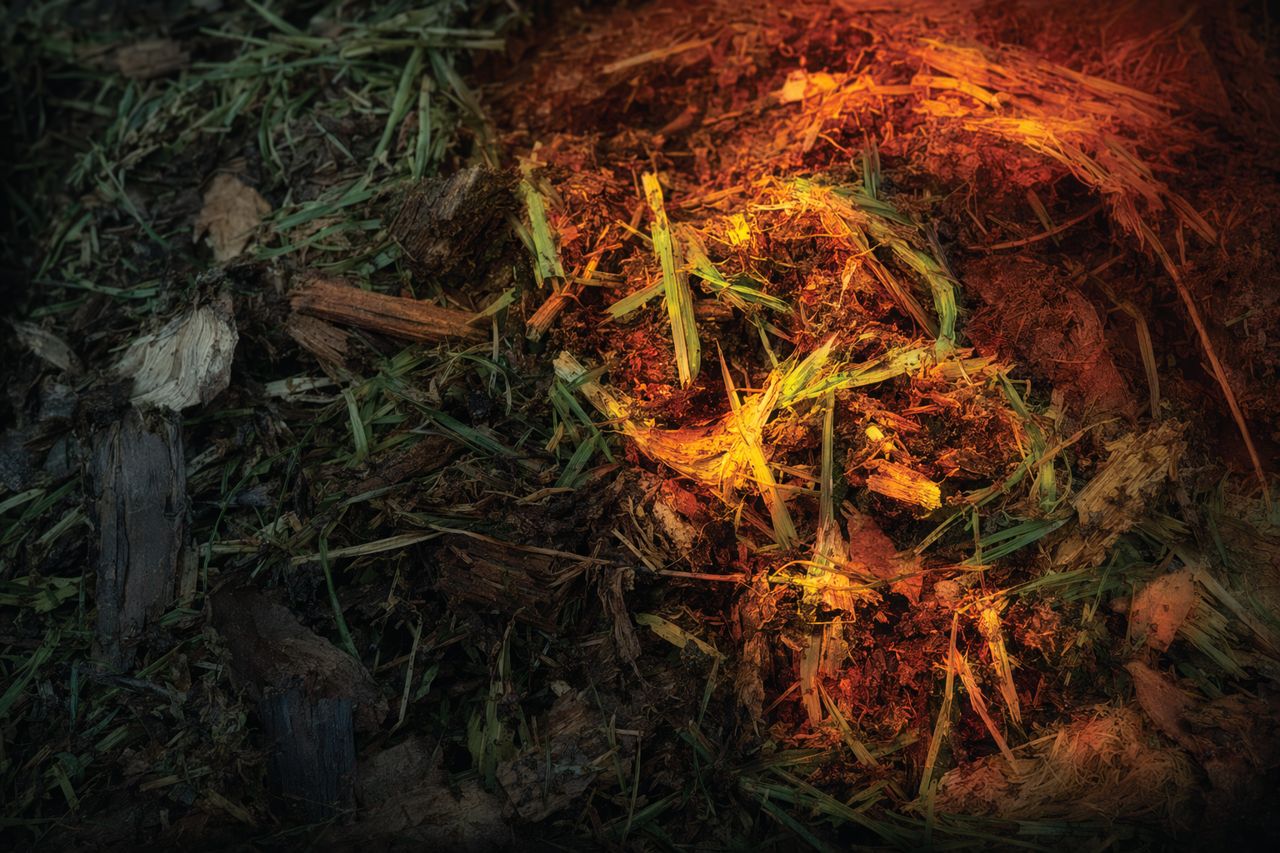
Persistent particles, inconsistent breakdown, and immature pockets affect product appearance and market readiness. Enzymefield supports cleaner process progression toward a more uniform finished compost.
Enzymefield works with composting facilities to understand the operating environment before recommending an enzyme program.
Key inputs include:
From there, we recommend an enzyme category approach aligned with your material mix and process goals.
Enzymefield can support facilities using:
Whether your site is fighting wet grass odor in spring, leaf volume in autumn, or woody overs year-round, the enzyme program should match the operational pattern.
To prepare a practical quote, share the information your facility already tracks:
If your facility needs a green waste composting enzyme program for yard trimmings, leaves, grass, brush, or mixed municipal organic waste, Enzymefield can help specify the right category approach.
Use the on-site form to request a quote. Tell us what is coming through your gate, what is slowing the process, and what result you need from the next processing cycle.
Tell us your application and volume — we reply with pricing and lead time.
We have received your message. We will reply by email.